How to Import MSG to Outlook Effortlessly? – Complete Guide

Why People Import MSG Files Into Outlook
A .msg file is a single email that Outlook saved to disk, complete with its sender, recipients, subject, body, and any attachments. People end up with folders full of them after exporting messages, receiving forwarded files from a colleague, or recovering mail from an old account. The goal is usually to get those individual files back inside Outlook so they show up in a mailbox folder and become searchable again. The first thing worth knowing is that Outlook treats .msg files as items it can open, not as a data source it can import. That single fact decides which method actually works.
Manual Methods to Import MSG Into Outlook
There is no File menu option that reads a folder of .msg files and pulls them in. The Import and Export wizard only accepts PST, CSV, and a few mail formats, never loose .msg files. So the native way to bring them in is to move the files into an Outlook folder directly. There are two ways to do that.
Method 1: Drag and Drop
Dragging is the fastest manual route when you have a handful of files. I tested this on Outlook for Microsoft 365 with eight .msg files and it took under a minute.
- Open Outlook and pick the folder where you want the messages to land, such as Inbox or a folder you create.
- Open the Windows File Explorer window that holds your .msg files.
- Resize both windows so you can see the Outlook folder list and the files at the same time.
- Select the files you want, then drag them onto the target folder in Outlook and release.
- The messages appear in that folder with their original sender, date, and attachments intact.
Method 2: Copy and Paste MSG Files Into Outlook
If dragging across two windows feels fiddly, copy and paste does the same job.
- In File Explorer, select the .msg files and press Ctrl + C.
- Open Outlook and click the folder where the messages should go.
- Press Ctrl + V inside that folder.
- The emails drop into the folder the same way they would with a drag.
Both methods import the messages as real Outlook items, so search, reply, and forward all work afterward.
Where the Manual Methods Break
The manual route is fine for a small batch, but it stops being practical the moment the numbers grow or the files came from a structured archive. Here is where it falls short.
| Limitation | What Actually Happens |
|---|---|
| No Folder Structure | Files dropped from nested folders all land flat in one Outlook folder. The original hierarchy is lost. |
| Slow at Scale | Selecting and dragging works for dozens of files. With hundreds Outlook can lag or freeze mid transfer. |
| No Filtering | You move everything or nothing. There is no way to bring in only messages from a date range or sender. |
| Corrupt Files Stall It | A single damaged .msg can interrupt a drag and leave you unsure which files made it across. |
| Needs Outlook Open | Both methods require a working Outlook profile. You cannot stage the import without the app running. |
Cleaner Route for Bulk MSG Files
When you are dealing with hundreds of .msg files, or files pulled from an archive whose folder structure matters, converting them into a single PST first is the calmer path. A PST imports through Outlook’s own wizard in one pass and keeps the folder layout. The Expert MSG Converter Tool builds that PST from your .msg files while preserving metadata and attachments. It is a paid tool, and the honest trade off is that for five or ten files the free drag and drop wins on speed, so reach for this only when the manual route has stopped being practical.
Steps to Build a PST and Import It
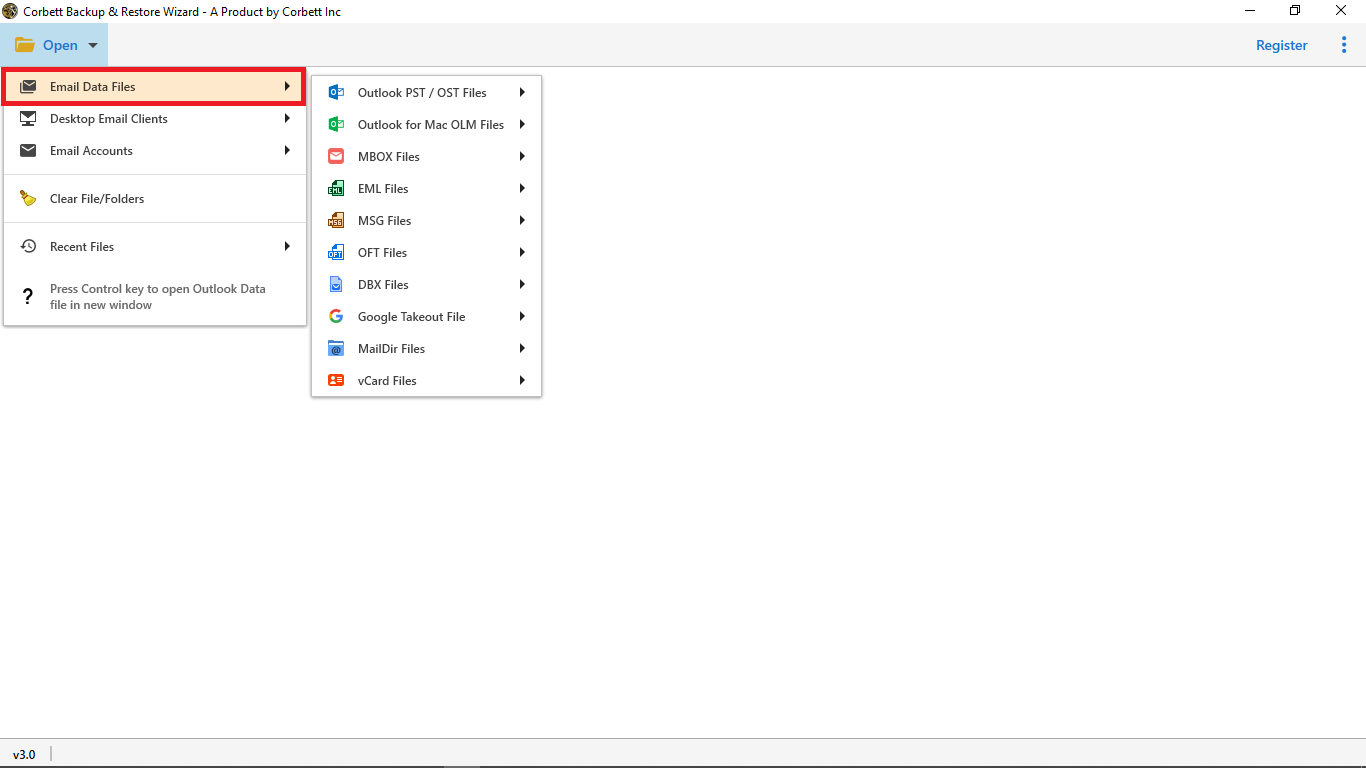
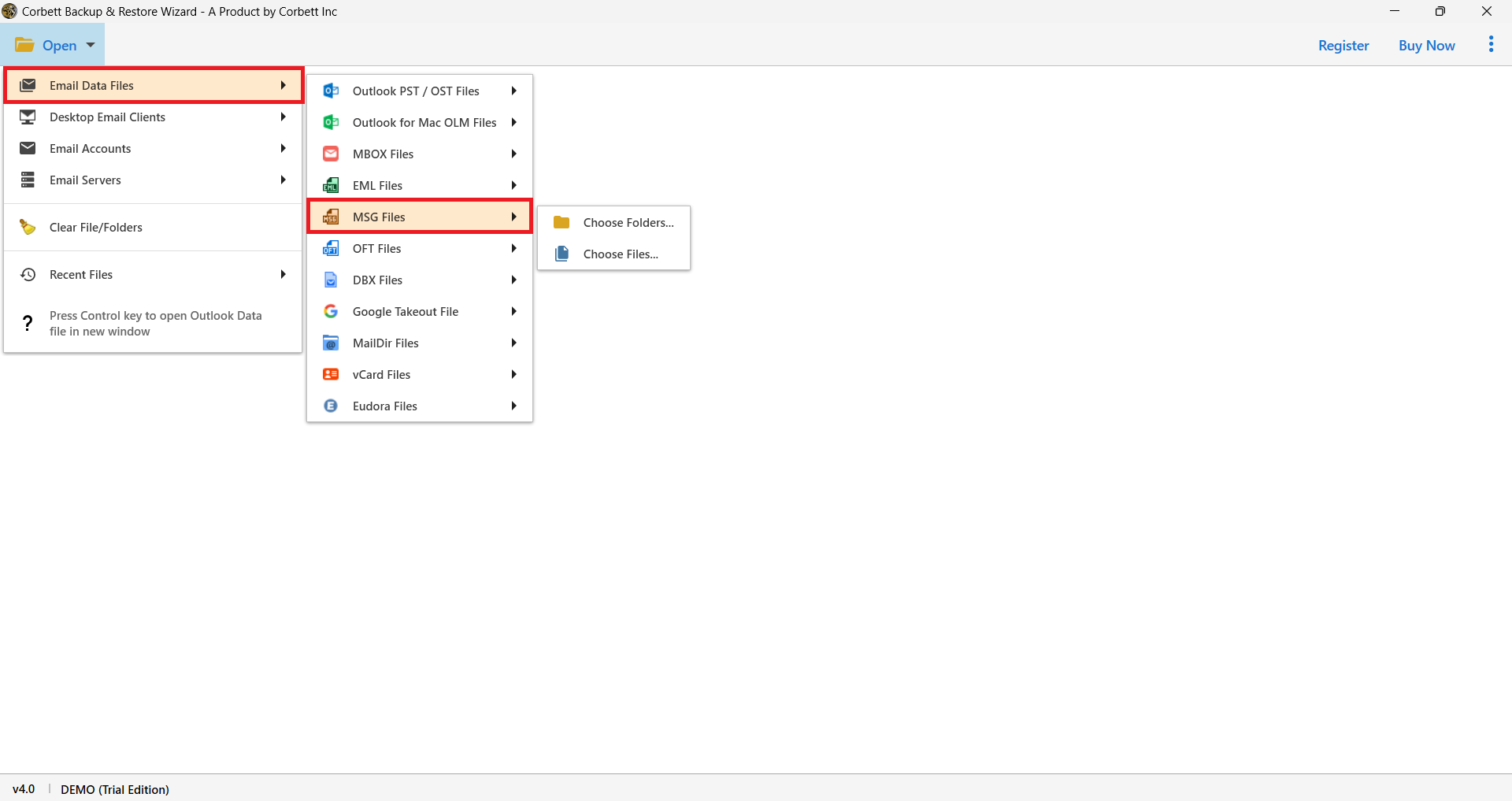
- Download the tool and launch it, then choose Open on the upper left and go to Email Data Files.

- Pick MSG Files, then point the tool at the folder where your .msg files are stored.

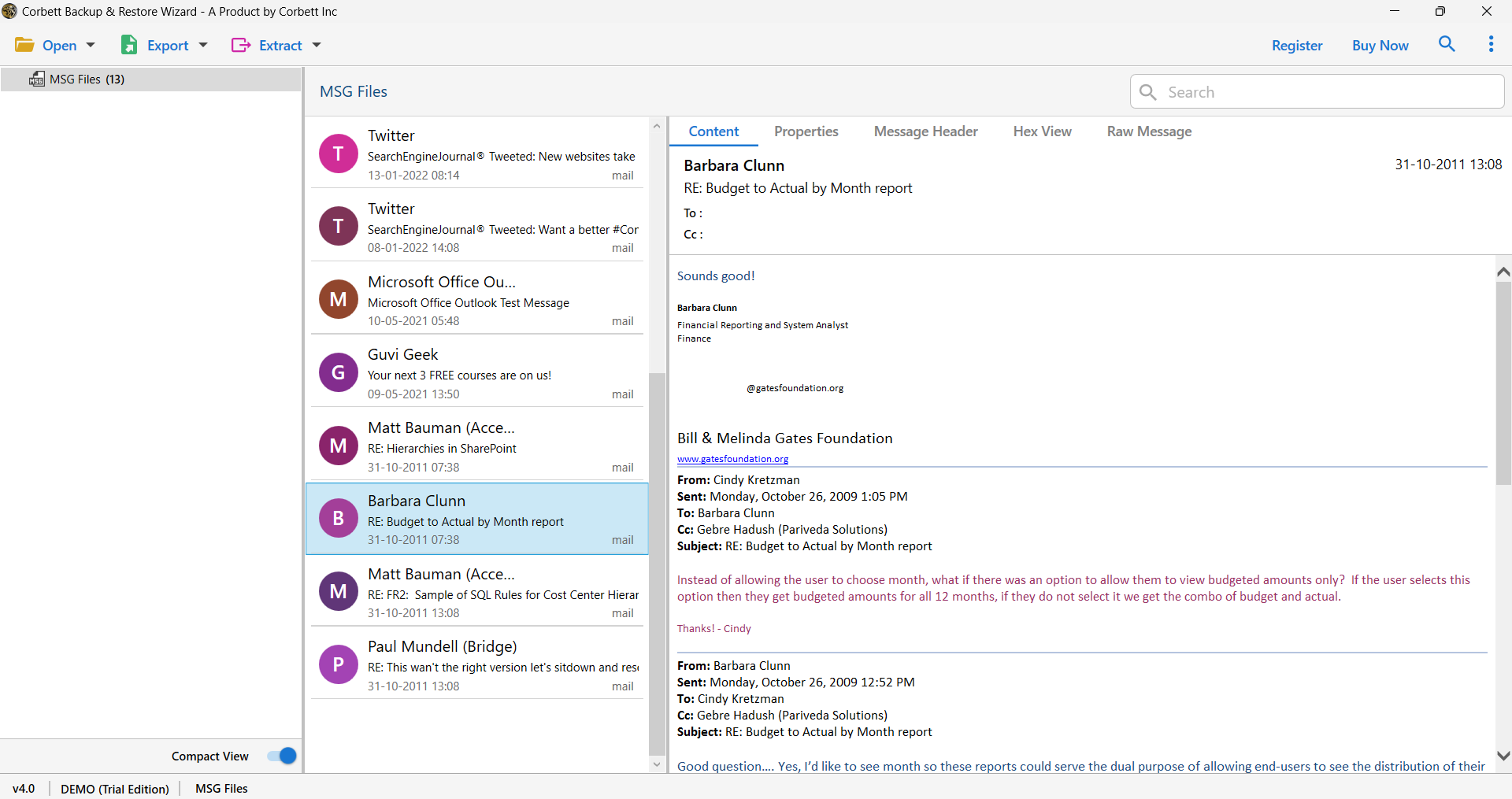
- Preview the loaded MSG files in the tool’s preview window to confirm the right messages are there.

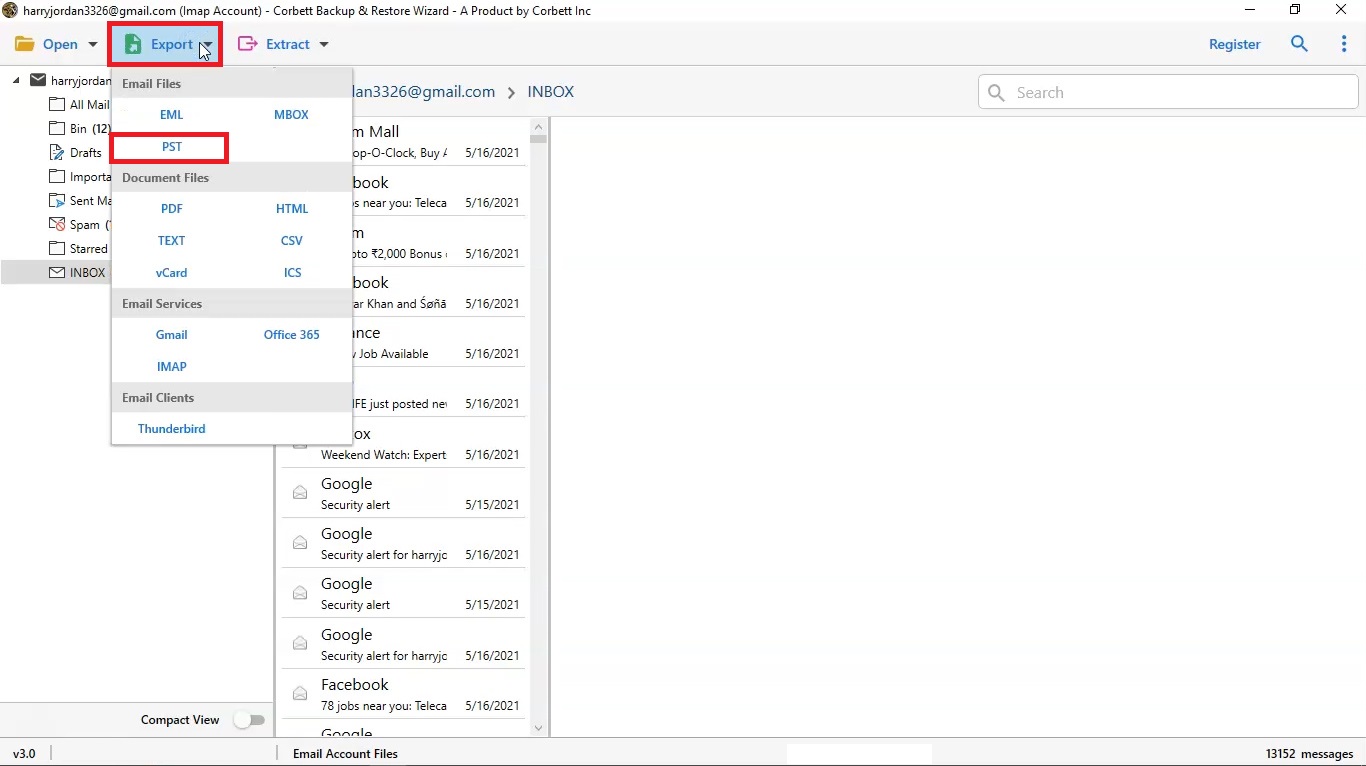
- Choose the Export option and select PST as the output.

- Click Save and let the tool build the PST file.

- In Outlook, go to File.

- Select Open & Export from the left panel, then click Import/Export.

- In the pop up, choose Import from another program or file and click Next.

- Choose Outlook Data File (.pst) and click Next.

- Browse to the PST file you built and click Next.

- Pick the email profile and click Finish to import the messages into Outlook.

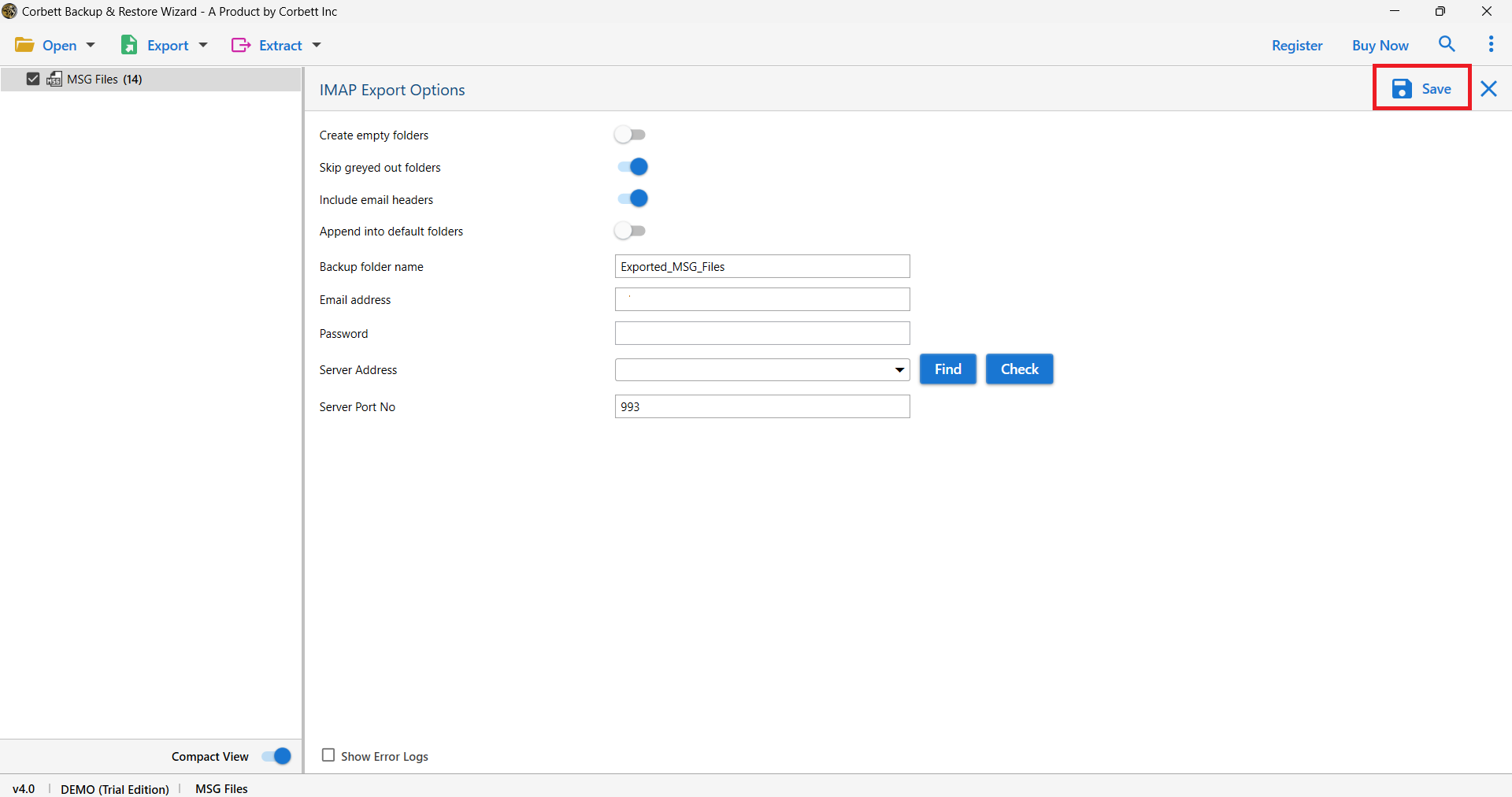
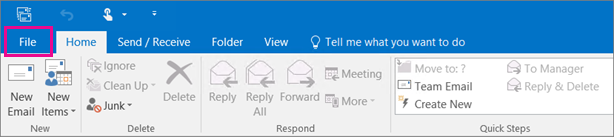


The whole folder structure lands in Outlook in one move, which is the part the manual drag could never do.
Time to Wrap Up
The short version is that Outlook has no Import command for .msg files, so for a small batch you drag or copy them straight into a folder and you are done in a minute. Once the count climbs into the hundreds, or the original folder layout matters, building a PST first and importing that keeps everything organised in a single pass. Match the method to the size of the job rather than reaching for a tool you do not need. How many MSG files are you trying to bring into Outlook, and does their folder structure matter to you?
Frequently Asked Questions
Q1. Is there an Import MSG option in Outlook?
A: No. Outlook’s Import and Export wizard only reads PST, CSV, and a few mail formats. To bring in loose .msg files you drag or copy them into a folder, or convert them to PST first.
Q2. Will drag and drop keep the attachments and sender details?
A: Yes. Each .msg holds the full message, so the sender, date, body, and attachments all carry over when you drop it into an Outlook folder.
Q3. Can I import .msg files without Outlook installed?
A: The manual methods need Outlook open. A converter tool can read and convert the .msg files into a PST without Outlook, but you still need Outlook to import that PST.
Q4. Why did my folder structure disappear after importing?
A: Manual drag and copy ignore the source folders, so everything lands flat in one folder. Converting to PST first is what preserves the original hierarchy.
Q5. How do I import a .msg file into Outlook contacts?
A: Open the People view in Outlook, then drag the contact .msg file onto your contacts folder. It is added as a contact card.
Q6. Does importing duplicate messages already in my mailbox?
A: Manual methods add whatever you move without checking for matches, so dropping the same files twice creates duplicates. Sort by subject afterward to spot any.